The Man Who Sold the Eiffel Tower. Twice.
In 1925 a con man gathered six scrap-metal dealers in a Paris hotel and sold them a national monument. Then he came back to try it again.
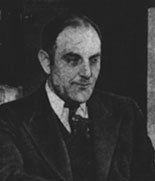
At a glance
- Year
- 1925
- Setting
- A Paris hotel, on forged government stationery
- First victim
- André Poisson, scrap-metal dealer
- Second attempt
- Failed — the victim reported it
The Eiffel Tower was never meant to be permanent. Built for the 1889 World's Fair, it was supposed to be dismantled after twenty years. By the mid-1920s it was expensive to maintain, and there was genuine public discussion about scrapping it. That's the crack Victor Lustig climbed into.
Lustig was a Czech-born career swindler, fluent in several languages and dressed in the manner of a man who did not need money. In 1925 he sent letters on forged government stationery to six of France's largest scrap-metal dealers, inviting them to a confidential meeting at the Hôtel de Crillon. He introduced himself as the deputy director-general of the Ministry of Posts and Telegraphs.
The government, he explained, had decided to sell the tower for scrap — around 7,000 tonnes of iron. The bids would be sealed. One condition only: this had to stay quiet, because public outcry would make the sale impossible.
He also arranged a private tour of the tower, with a chauffeur and a car, during which he complained about his modest government salary.
One dealer, André Poisson, was hooked. He wanted the contract — and he wanted in with the powerful official offering it. His wife, suspicious, suggested he check on Lustig. He didn't. He paid the bid, plus a substantial bribe that Lustig hinted was necessary to secure the deal.
Lustig took the money and left for Austria. The victim was too embarrassed to report it, which is why the trick worked at all.
So he came back and tried it a second time, with a new group of dealers. The second victim wasn't as embarrassed as he was suspicious, and reported it. Lustig fled to the United States, moved into counterfeiting, was eventually caught, and died at Alcatraz in 1947.
The reason the story survives isn't the audacity. It's that Lustig understood something obvious in hindsight: nobody protects themselves against a con that flatters them. The dealers weren't fooled by the paperwork. They were fooled by being chosen.
Every claim in this file is checked against primary sources — how we verify. Spotted an error? Tell us.
Get the next file before it's public
One story a week, chosen from the archive. The kind you repeat at dinner and nobody believes.
One file a week. Opens your mail app, pre-filled.
More History
AllThe Dead Man Who Fooled the Nazis
Operation Mincemeat used one corpse, a fake major, and a set of letters to move an entire German division.
Boston's Tidal Wave of Molasses
A tank of syrup burst in 1919 and sent a wave through the streets at 35 mph. The smell lasted for decades.
The Librarian Who Smuggled 350,000 Manuscripts
When extremists seized Timbuktu, one man spent months moving a civilisation's records out of the city in metal trunks.