The Marathon Won Barefoot
Abebe Bikila's shoes didn't fit. He ran the Olympic marathon without them — and won it, under a monument to fascism.
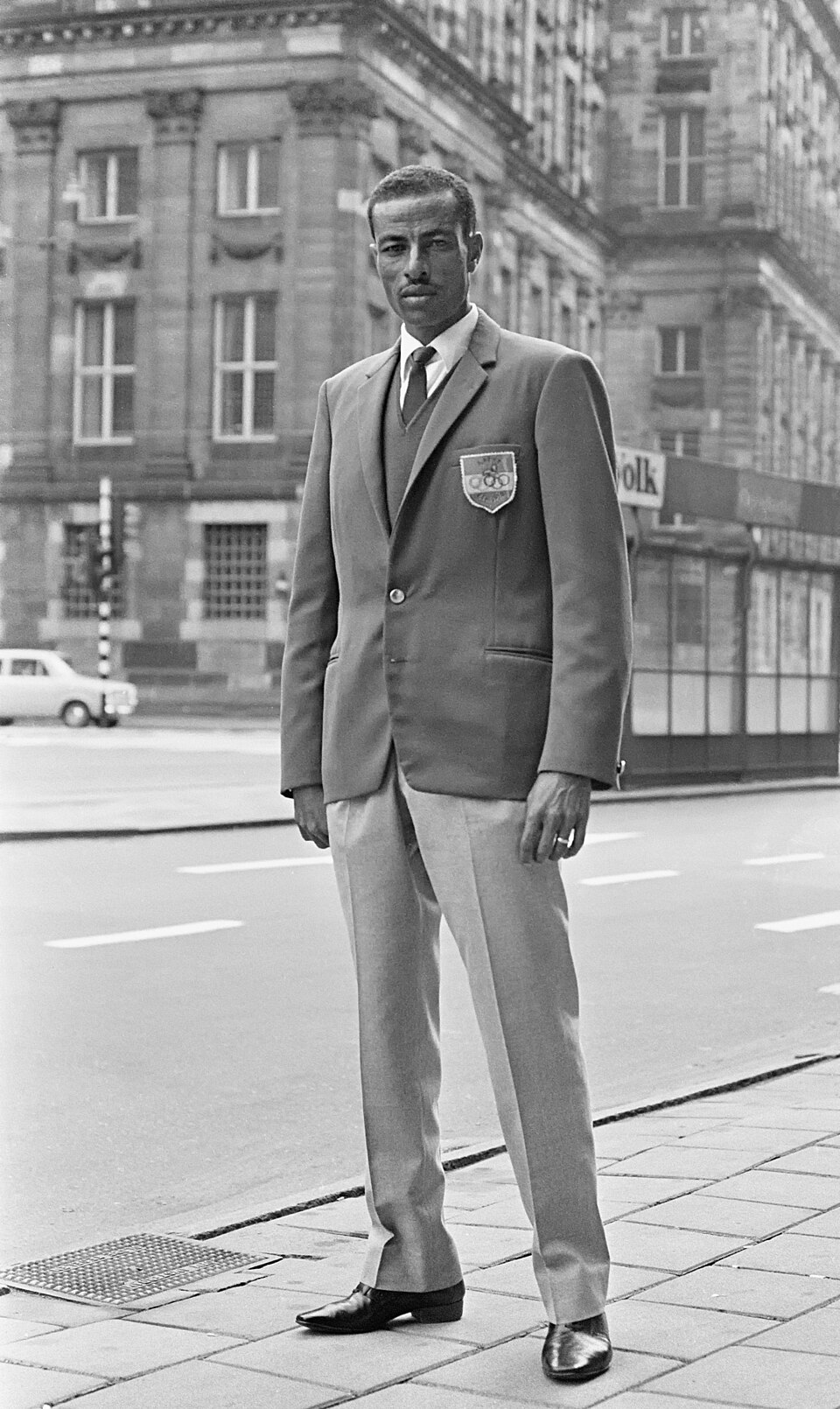
At a glance
- Race
- Rome Olympics, 10 September 1960
- Time
- 2:15:16.2 — a world record
- Footwear
- None; his supplied shoes had caused blisters
- Repeat
- Won again in Tokyo, 40 days after appendicitis surgery
The 1960 Rome Olympics marathon started at night, on cobblestones, in heat that had not broken. Among the runners was a 28-year-old Ethiopian soldier and bodyguard named Abebe Bikila, competing in only his third marathon.
His shoes were the problem. The pair supplied by the team's sponsor didn't fit properly and had already given him blisters in training. So a few days before the race, he decided to run it barefoot.
He had run barefoot most of his life. It was not a stunt.
The race went out along the Appian Way, past the Catacombs, on stone slabs laid down by the Romans two thousand years earlier. Bikila ran at the back of the lead group for much of it, then, in the final kilometres, moved away from the field. He finished alone.
His time was 2:15:16.2 — a world record, and the first Olympic marathon under 2 hours 20 minutes run outside the previous era's best marks. He was the first Black African athlete to win Olympic gold.
And the finish line matters here. The marathon ended at the Arch of Constantine — the route passing directly beneath monuments built to celebrate Mussolini's fascist regime, and past the site of Italy's 1936 Olympic propaganda. An athlete from a country Italy had invaded five years earlier ran under those arches, barefoot, alone, and won.
He did it again in Tokyo in 1964, in 2:12:11.2, another world record — this time wearing shoes, and only 40 days after surgery for appendicitis. He remains the only man to win consecutive Olympic marathon titles.
He later said something that doesn't sound like an athlete's line: that the race was not the hard part. The hard part was preparing to be able to run it. He had, by then, been running for years in thin air at altitude in Ethiopia, in a way no European coach of the time had thought to copy.
Every claim in this file is checked against primary sources — how we verify. Spotted an error? Tell us.
Get the next file before it's public
One story a week, chosen from the archive. The kind you repeat at dinner and nobody believes.
One file a week. Opens your mail app, pre-filled.
More Sport
AllWho Actually Snubbed Jesse Owens?
Everyone knows Hitler refused to shake his hand. Owens himself named a different man.
The Marathon That Doesn't Count
Eliud Kipchoge ran a marathon in 1:59:40. It isn't a world record, and the reasons why are fascinating.
The Match That Took Three Days
Eleven hours and five minutes. 183 games. A final set that finished 70–68. Wimbledon's longest match broke its own scoreboard.